Sugar Land Reverse Osmosis
Under-sink drinking water systems for Sugar Land kitchens
Reverse Osmosis Systems in Sugar Land
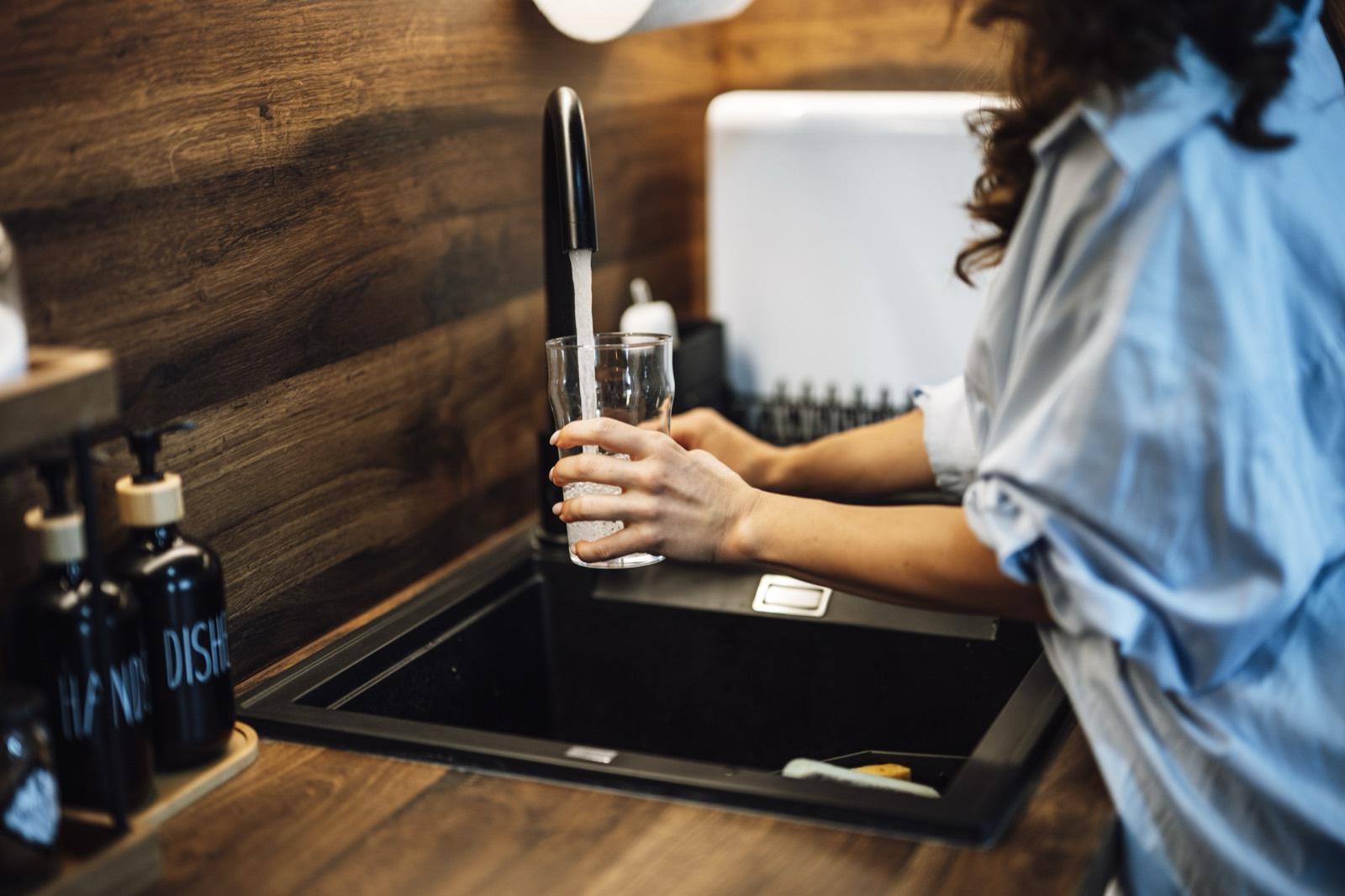
Drinking Water You Choose, Right at the Kitchen Sink
If you're still hauling cases of bottled water home or refilling a pitcher every day, a reverse osmosis (RO) system may be what you're after. A softener doesn't change how drinking water tastes, and a whole-home filter is built mainly for disinfectant taste and odor. RO is built for the glass you drink from.
An under-sink RO system treats water at one faucet beside the kitchen sink, for drinking, coffee, ice trays and cooking. Depending on the system and its tested claims, it reduces dissolved minerals and a range of other substances. We match its pre-filters to the disinfectant your water system uses, fit it to your cabinet and plumbing, and give you a detailed quote. Call 281-979-3405 with any questions.
How an Under-Sink RO System Works
Water from your cold line first meets a sediment cartridge, then carbon, which reduces chlorine or chloramine before it can reach the membrane. The membrane lets water through and sends most of the dissolved content to the drain. Treated water collects in a small storage tank and passes a final post-filter on its way to its own faucet.
Every RO system sends some water to the drain. EPA estimates a typical under-sink unit produces at least five gallons of waste water for every gallon of treated water, while WaterSense labeled models produce 2.3 gallons or less (EPA WaterSense guide). Your quote states the ratio for the exact system we propose.
Chloramine, Free Chlorine and Your RO Pre-Filters
This is where Sugar Land's separate water systems matter. The membrane at the heart of an RO system is sensitive to chlorine compounds and doesn't reliably hold back chloramine on its own, so the carbon ahead of it does that work.
- Main system and Fort Bend County MUD 128: chloramine, with 2025 averages of 2.74 and 2.77 parts per million (ppm). The pre-filters need carbon suited to chloramine, enough of it for the water to spend time in contact, and changes on schedule. The same carbon handles the main system's spring free-chlorine weeks, April 7 to May 5 in 2026.
- New Territory, Greatwood and River Park: free chlorine, averaging between 1.55 and 1.62 ppm in 2025. Standard carbon pre-filters suit this water.
Each system's figures are on our chloramine by water system page.
-
Detailed Quote, Line by Line
Equipment, labor, site work and exclusions, itemized before anything is scheduled.
-
Your Water Report, Read First
We read your water system's published report before we recommend anything.
-
Expert Installation
Experienced installers working with us handle every install, start to finish.
-
Local to Fort Bend County
Based in Fort Bend County and focused on homes across the county.
Curious about your water?
Get a quote today
Tell us what you're noticing and your ZIP code. We find your water system, read its latest report, and come back with a plain-language recommendation and a quote.
Get a QuotePFAS, Lead and Fluoride: What the Records Say
These three come up often when people ask about drinking water. Here is what the official sources say, and what an RO system can and can't promise.
PFAS
The City of Sugar Land monitored its water for 29 PFAS between February 2023 and February 2024 under an EPA monitoring rule. The city reports detections of eight PFAS compounds in the main system and none in Greatwood, New Territory or River Park, says its systems would comply with the federal PFAS limits, and is using the data to decide whether treatment changes are needed (city PFAS page).
EPA's 2024 rule set enforceable limits of 4.0 parts per trillion for PFOA and PFOS. In May 2026, EPA proposed keeping those two limits, with an option for systems to request more time to 2031, and proposed rescinding the limits for PFHxS, PFNA, HFPO-DA and the mixture standard (EPA). EPA advises checking a home filter's NSF/ANSI 53 or 58 certification for the specific PFAS you're concerned about (EPA guidance). More on our PFAS removal page.
Lead
EPA says the most common sources of lead in drinking water are lead pipes, faucets and fixtures, and that lead pipes are more likely in homes built before 1986. Its health-based goal for lead is zero (EPA). Your water system's annual report lists its lead results from sampled homes. RO systems can carry an NSF/ANSI 58 lead-reduction claim. See lead removal.
Fluoride
EPA's enforceable limit for fluoride is 4.0 mg/L, and in 2026 the agency began a new health assessment that will inform any future revision (EPA). Your system's report lists the fluoride level it measured. Some households want less fluoride in their drinking water and some don't. RO systems can carry an NSF/ANSI 58 fluoride-reduction claim; ordinary carbon filters aren't designed for it. See fluoride removal.
For all three, we don't promise removal. We show you the standard and the claims on the proposed system's performance data sheet, so you can check them yourself.
RO With a Softener and a Whole-Home Filter
In a home with all three, RO comes last, at the sink: whole-home filter, then softener, then RO. Softened water is easier on the membrane because less hardness reaches it. Weighing your options? Read whole-home filter vs reverse osmosis.
Keeping an RO System Working
Pre-filters, the membrane and the post-filter are replaced on a schedule stated in your quote, and the storage tank is sanitized at filter changes. A slow trickle from the RO faucet is usually the first sign something is due. For systems we install, we offer filter replacement and maintenance visits; see service and maintenance.
Sugar Land Reverse Osmosis FAQs
Does reverse osmosis remove chloramine?
Not on its own. The membrane isn't a reliable barrier to chloramine and can be damaged by chlorine compounds, so the carbon pre-filters do that work. On the City of Sugar Land main system's chloraminated water, those pre-filters need to suit chloramine and be changed on schedule.
How much water does an RO system send to the drain?
EPA estimates a typical under-sink RO unit sends at least five gallons to the drain for every gallon of treated water. WaterSense labeled models send 2.3 gallons or less. Your quote lists the ratio for the system we propose.
Will an RO system remove PFAS from Sugar Land water?
It depends on the system. Look for NSF/ANSI 58 certification that lists the specific PFAS, such as PFOA and PFOS, on the performance data sheet. The city reports PFAS detections in its main system and none in Greatwood, New Territory or River Park.
Does reverse osmosis remove fluoride?
Many RO systems are tested for fluoride reduction under NSF/ANSI 58. Check the performance data sheet for a fluoride claim before you buy, and check your water system's report for the level it measured.
Where does the RO faucet go?
Usually on the sink deck or countertop beside your main faucet, often in an existing sprayer or soap-dispenser hole. The tank and filters sit in the cabinet below, with a drain connection. We confirm the space and any drilling in the quote.
Benefits of Working With an Expert Team
A good RO system depends on pre-filters that match your water, a clean installation under the sink and a maintenance schedule you can keep. We plan all three around your Sugar Land water system and put them in writing.
-
Detailed Quote, Line by Line
Equipment, labor, site work and exclusions, itemized before anything is scheduled.
-
Your Water Report, Read First
We read your water system's published report before we recommend anything.
-
Expert Installation
Experienced installers working with us handle every install, start to finish.
-
Local to Fort Bend County
Based in Fort Bend County and focused on homes across the county.
Better Drinking Water in Sugar Land Starts Here
Send us your Sugar Land address and tell us what you want from your drinking water. We'll confirm your system's disinfectant, recommend the right RO setup and send a quote. Call 281-979-3405 or reach out online.

Get the Water You Deserve
Talk to the Fort Bend Water Pros team today
Fill out the form below. We find your water system, read its latest report, and reply with a plain-language recommendation and a quote. No pressure, no commitment.