Lead Removal
Filters certified for lead at the tap you drink from, and plain answers about where lead comes from
Lead Removal from Water in Fort Bend County
How Lead Gets Into Tap Water
The U.S. Environmental Protection Agency explains that lead gets into drinking water when plumbing materials that contain lead corrode. EPA names three main sources:
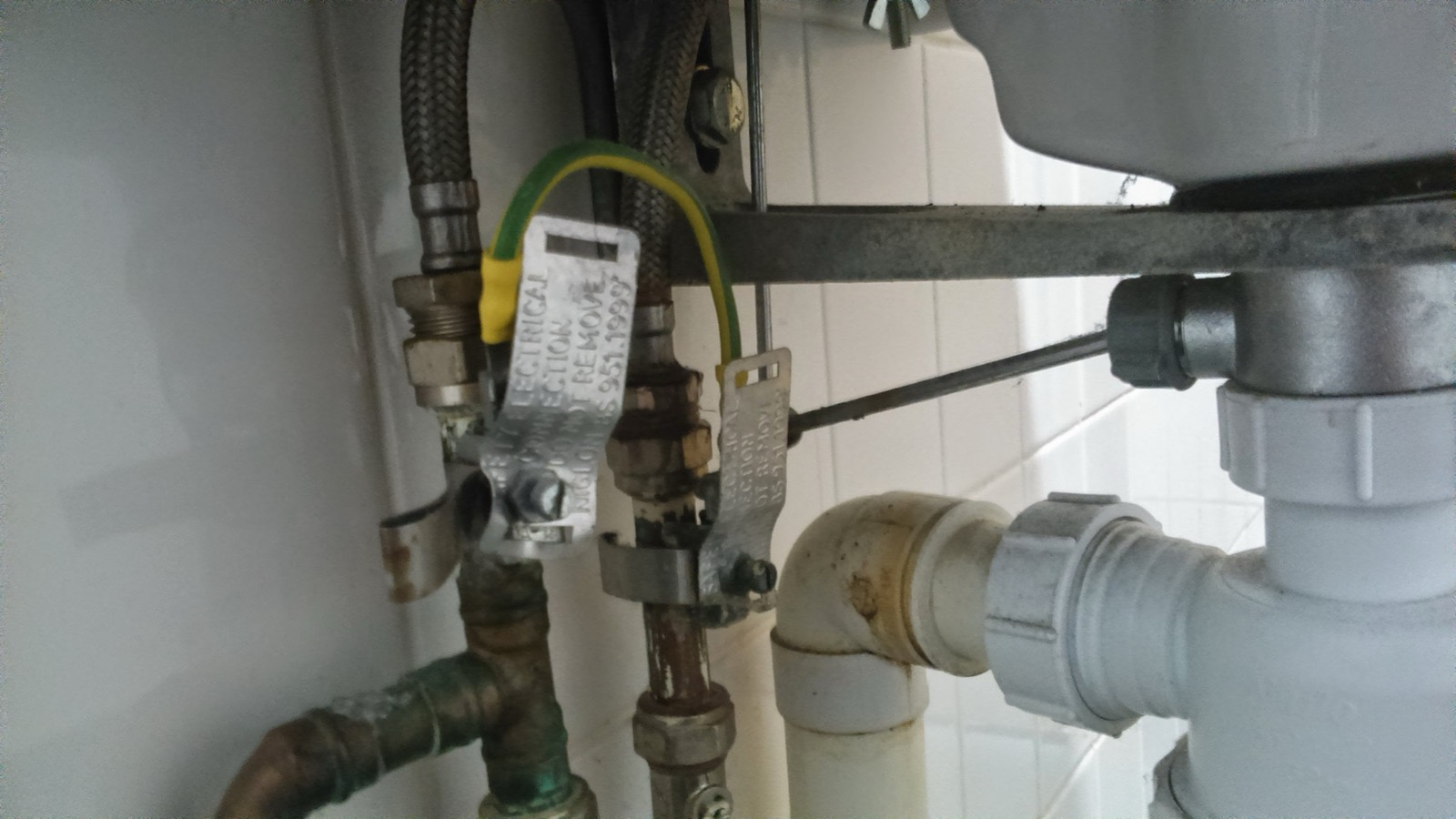
- Lead service lines, the pipe that connects a home to the water main. Where they exist, they are typically the biggest source.
- Brass or chrome-plated brass faucets and fixtures, which EPA calls the most common problem in homes without a lead service line.
- Lead solder joining copper pipes.
EPA says lead pipes are more likely in older cities and in homes built before 1986, the year the federal government banned installing new lead pipes. The definition of "lead-free" was tightened again by 2011 changes to the Safe Drinking Water Act, to a weighted average of 0.25% lead for pipes, fittings and fixtures and 0.2% for solder and flux. And the longer water sits in the pipes, the more lead it may contain.
Why Lead Matters
EPA has set the health-based goal for lead in drinking water at zero, because lead can be harmful even at low exposure levels, and the U.S. Centers for Disease Control and Prevention states that no safe blood lead level in children has been identified. EPA lists effects in children that include behavior and learning problems, lower IQ, slowed growth, hearing problems and anemia, and in adults, cardiovascular effects, higher blood pressure, reduced kidney function and reproductive problems.
What This Means in Fort Bend County
Much of Fort Bend County was built in the last few decades, so many homes here were plumbed after the 1986 ban. That lowers the odds of a lead service line or lead solder, but it doesn't rule out lead at the tap, because brass faucets and fixtures can still contain some. Homes built before 1986, in the county's older towns and neighborhoods, deserve a closer look.
We don't publish lead figures for Fort Bend County water systems, and a water system's results describe its sampling program, not your faucet. The only way to know what comes out of your tap is to test it. Not sure where to start? Call 281-979-3405.
The EPA's Lead and Copper Rule Improvements
In October 2024, EPA issued the Lead and Copper Rule Improvements (LCRI). According to EPA's fact sheet, the rule:
- requires the vast majority of water systems to replace lead service lines within 10 years;
- lowers the lead action level, the point at which a system must inform the public and take action, from 15 to 10 micrograms per liter (parts per billion);
- requires systems to update their service line inventories and make the inventory and replacement plan available to the public; and
- requires systems with repeated action level exceedances to make filters certified to reduce lead available to all consumers.
According to EPA's questions and answers, systems must begin complying three years after the rule's publication, in late 2027. Inventories already exist: systems completed initial inventories of their service lines in October 2024, and EPA says the inventory must be publicly accessible, so you can ask your water system what it shows for your address.
-
Detailed Quote, Line by Line
Equipment, labor, site work and exclusions, itemized before anything is scheduled.
-
Your Water Report, Read First
We read your water system's published report before we recommend anything.
-
Expert Installation
Experienced installers working with us handle every install, start to finish.
-
Local to Fort Bend County
Based in Fort Bend County and focused on homes across the county.
Curious about your water?
Get a quote today
Tell us what you're noticing and your ZIP code. We find your water system, read its latest report, and come back with a plain-language recommendation and a quote.
Get a QuoteHow to Get Your Water Tested for Lead
- Ask your water system first. EPA suggests contacting your utility to have your water tested and to learn about lead levels in your drinking water. It may also know what your service line is made of.
- Use an accredited laboratory. The Texas Commission on Environmental Quality's Lead and Copper Program page has maps of NELAP-accredited labs in Texas that test for lead and copper, plus instructions for collecting a tap sample at home. Call the lab first to confirm drop-off hours and prices.
- Look up your system's records. TCEQ's Texas Drinking Water Viewer shows each public water system's sample results and violations.
Filters Certified to Reduce Lead
EPA's consumer tool for choosing a lead filter says to look for certification to NSF/ANSI 53 for lead reduction, and also to NSF/ANSI 42 for Class I particulate reduction, which covers very small particles that may contain lead. The tool covers filters certified to reduce lead to 5 parts per billion or less. Reverse osmosis systems can also be certified for lead reduction under NSF/ANSI 58, as NSF's listings show.
Where the filter goes matters. EPA's guide to choosing a lead filter leaves out whole-house filters because they don't remove lead that may come from plumbing inside the building. For lead, the filter belongs at the tap you drink from: a certified under-sink filter or under-sink reverse osmosis system on the cold line, with its own lead-free faucet, and cartridges replaced on schedule.
Our detailed quotes name the exact equipment, so you can confirm its NSF/ANSI 53 or 58 lead claim on the certifier's listing before you approve anything.
Reduce Your Exposure While You Find Out
EPA's everyday steps for households concerned about lead:
- Flush before drinking. When water has sat in the pipes, run the tap, take a shower, or do a load of laundry or dishes first. How long depends on whether your home has a lead service line, so ask your water utility.
- Use only cold water for drinking, cooking and making baby formula.
- Don't rely on boiling. Boiling water does not remove lead.
- Clean faucet aerators regularly.
- Find out what your service line is made of. Ask your water utility; if it doesn't know, a plumber may be able to help.
Lead FAQs
Is any amount of lead in drinking water safe?
EPA set the health-based goal for lead in drinking water at zero because lead can be harmful even at low exposure levels, and CDC states that no safe blood lead level in children has been identified.
Does a whole-home filter or water softener remove lead?
Neither is the right tool for lead. EPA's guide to lead filters leaves out whole-house filters because they can't remove lead picked up from plumbing inside the building, after the filter. A softener is designed to remove hardness minerals. Use a filter certified for lead at the tap you drink from.
Does reverse osmosis remove lead?
It can. CDC lists lead among the chemicals reverse osmosis filters remove, and RO systems can be certified to NSF/ANSI 58 for lead reduction. Check the listing for the exact model.
Does boiling water remove lead?
No. EPA says boiling water does not remove lead. Use cold water for drinking, cooking and baby formula, and a certified filter if you need one.
How do I know if I have a lead service line?
Ask your water system. Under EPA's lead rules, systems keep a service line inventory that must be publicly accessible. If your utility doesn't have the answer, a plumber may be able to tell you.
My home was built after 1986. Can my water still contain lead?
It's less likely, because new lead pipes were banned in 1986, but it's possible. EPA says brass and chrome-plated brass faucets are the most common problem in homes without a lead service line. Testing your tap is the only way to know.
Benefits of Working With an Expert Team
We don't sell fear about lead. We help you work out where lead could come from in your home, point you to an accredited lab for a real answer, and, if you want a filter, quote one by name so you can check its lead certification.
-
Detailed Quote, Line by Line
Equipment, labor, site work and exclusions, itemized before anything is scheduled.
-
Your Water Report, Read First
We read your water system's published report before we recommend anything.
-
Expert Installation
Experienced installers working with us handle every install, start to finish.
-
Local to Fort Bend County
Based in Fort Bend County and focused on homes across the county.
Concerned About Lead? Start With Fort Bend Water Pros.
Tell us your ZIP code, roughly when your home was built and what you're worried about. We'll find your water system, point you to an accredited lab for a tap test, and send a quote for treatment at the kitchen sink if you want it. Call 281-979-3405 or reach out online.

Get the Water You Deserve
Talk to the Fort Bend Water Pros team today
Fill out the form below. We find your water system, read its latest report, and reply with a plain-language recommendation and a quote. No pressure, no commitment.