Reverse Osmosis Systems
Drinking and cooking water from its own faucet at the kitchen sink
Fort Bend County Reverse Osmosis Systems
Better Drinking Water, Right at the Kitchen Sink
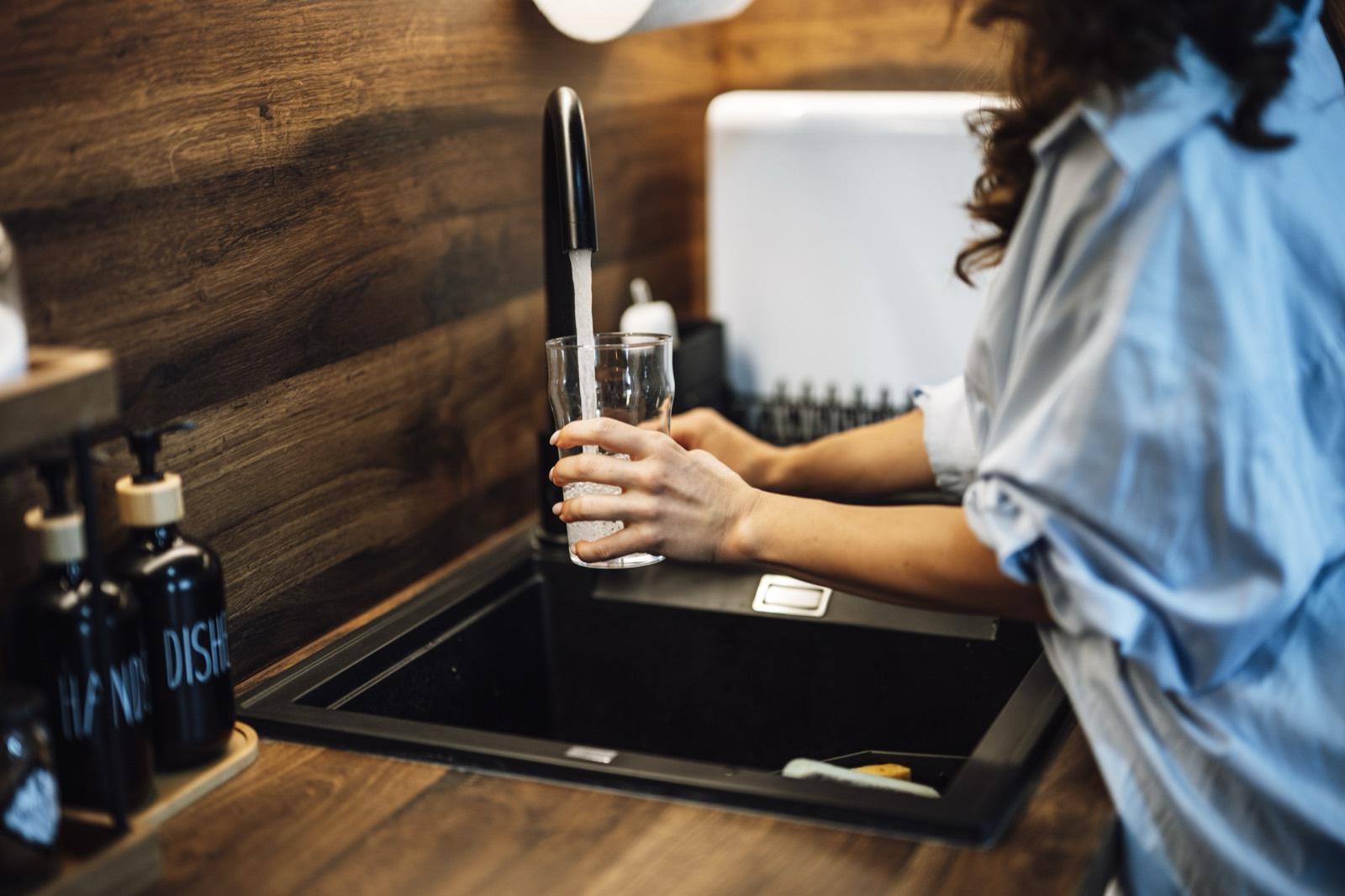
If you are hauling cases of bottled water home every week, or the coffee and ice taste a little like the pool, an under-sink reverse osmosis (RO) system is usually the fix. It sits in the cabinet under your kitchen sink and gives you drinking and cooking water from its own small faucet beside the main one.
RO is a point-of-use system: it treats one tap, not the whole house. That makes it a focused, practical answer when your main concern is the water you drink. Before we recommend one, we look up the water system that serves your address and read its report, because whether it uses chlorine or chloramine decides which pre-filters the RO system needs.
To find out whether RO is right for your kitchen, call 281-979-3405 or request a quote online.
How an Under-Sink Reverse Osmosis System Works
Reverse osmosis uses your water pressure to push water through a very fine membrane. Water molecules pass through; most dissolved minerals and many other substances don't, and they are rinsed away to the drain. A typical under-sink system has these parts:
- Sediment pre-filter. Catches sand, rust and grit that would clog the stages after it.
- Carbon pre-filter. Reduces chlorine or chloramine before the water reaches the membrane, which these disinfectants can damage.
- RO membrane. The heart of the system, where dissolved solids are separated out.
- Storage tank. RO makes water slowly, so a small pressurized tank keeps treated water ready. (Some tankless designs use a built-in pump instead and need an outlet under the sink.)
- Post-filter. A final carbon polish for taste as water leaves the tank. Some systems add a remineralizing stage that returns a little calcium or magnesium.
- Dedicated faucet. Mounted on the sink or countertop, so treated water has its own tap.
- Drain line. Carries the rejected water away through a fitting on the sink drain.
That drain line is the trade-off. The EPA's WaterSense program estimates a typical point-of-use RO system sends five gallons or more to the drain for every gallon of treated water, and some inefficient units up to 10. WaterSense-labeled systems send 2.3 gallons or less. Because the system treats only drinking and cooking water, the totals stay modest, but efficiency is worth comparing.
What Reverse Osmosis Does, and What It Doesn't
According to the EPA's guide to selecting water treatment systems, RO improves taste and odor and reduces sodium and other dissolved inorganic and organic substances, and some systems can reduce specific contaminants such as nitrates. It also removes minerals like calcium along with everything else, which is why some people find RO water tastes flat.
What it doesn't do:
- It doesn't catch everything. The EPA guide is clear that RO does not remove every inorganic and organic contaminant. Each system's reduction claims are listed on its performance data sheet.
- It doesn't treat the rest of the house. Showers, laundry and other taps get the same water as before.
- It doesn't soften your water. Scale on fixtures and in the water heater needs a water softener.
-
Detailed Quote, Line by Line
Equipment, labor, site work and exclusions, itemized before anything is scheduled.
-
Your Water Report, Read First
We read your water system's published report before we recommend anything.
-
Expert Installation
Experienced installers working with us handle every install, start to finish.
-
Local to Fort Bend County
Based in Fort Bend County and focused on homes across the county.
Curious about your water?
Get a quote today
Tell us what you're noticing and your ZIP code. We find your water system, read its latest report, and come back with a plain-language recommendation and a quote.
Get a QuoteChloramine and Your RO Pre-Filters
The membrane is not a reliable barrier to chloramine, and chlorine compounds can damage common RO membranes. The carbon pre-filter does that job. More Fort Bend water systems now disinfect with chloramine, which standard carbon reduces slowly, so on chloraminated water the pre-filter has to be suited to chloramine and changed on schedule. We check your system's disinfectant on our chloramine by water system page and its report before we choose the pre-filters. More in chloramine removal.
Reverse Osmosis With a Softener or Whole-Home Filter
The three systems overlap less than people expect, and many homes use all three:
- A whole-home filter reduces chlorine or chloramine taste and odor at every tap and shower.
- A water softener removes the hardness behind scale throughout the house.
- An RO system gives you drinking and cooking water at one tap.
In a home with all three, water passes through the whole-home filter and the softener first, and the RO system last, at the sink. Softened water is also easier on the membrane, because hardness scale is one of the things that wears it out. For a side-by-side comparison, read whole-home filter vs. reverse osmosis.
What Installation Involves
We check the cabinet space for the filters and tank, how the faucet will mount (an existing sprayer hole or a new hole in the sink or countertop), the cold-water supply and the drain connection. If you'd like a line run to your refrigerator's water and ice dispenser, tell us and we'll see whether it is practical. Everything goes in the quote. Once you approve it, installation is performed by expert installers working with us.
Keeping an RO System Working
Every RO system needs regular filter changes. Sediment and carbon pre-filters are typically replaced about once or twice a year, more often on chloraminated water; the post-filter about yearly; and the membrane every few years, depending on your water and use. The tank is sanitized when filters are changed. A slow trickle from the RO faucet is usually the first sign something is due. Your quote lists the intervals for the exact equipment, and for systems we installed we handle filter replacement.
Look for NSF/ANSI 58
NSF/ANSI 58 is the standard for reverse osmosis drinking water systems. When you compare systems, check that the RO unit carries certification to it and that the specific reduction claim you care about appears on its performance data sheet. Systems that include carbon stages may also carry NSF/ANSI 42 or 53.
Reverse Osmosis FAQs
How does reverse osmosis work?
Your water pressure pushes water through a very fine membrane. Water molecules pass through and most dissolved minerals and many other substances are rinsed to the drain. Pre-filters protect the membrane, a small tank stores the treated water, and a post-filter polishes it before it reaches a dedicated faucet.
How much water does a reverse osmosis system waste?
The EPA estimates a typical point-of-use RO system sends five gallons or more to the drain for each gallon of treated water, and some inefficient units up to 10. WaterSense-labeled systems send 2.3 gallons or less.
Does reverse osmosis remove chloramine?
Not by itself. The membrane is not a reliable barrier to chloramine, so a carbon pre-filter suited to chloramine does that work, and it has to be changed on schedule.
Does reverse osmosis remove minerals from water?
Yes. RO removes most dissolved minerals, including calcium and magnesium. Some systems add a remineralizing stage that puts a little back for taste.
Do I still need a water softener if I have reverse osmosis?
If your water is hard, yes. RO treats one tap. A softener protects the rest of the house, including the water heater, from scale, and it helps the RO membrane last.
How often do RO filters need to be changed?
Pre-filters typically about once or twice a year, the post-filter about yearly, and the membrane every few years. Chloraminated water and heavy use shorten those intervals. Your quote lists them for the exact system.
Benefits of Working With an Expert Team
An RO system is only as good as the pre-filters protecting it. We check your water system's disinfectant, choose the stages to match, fit the system to your sink and put the filter schedule in writing.
-
Detailed Quote, Line by Line
Equipment, labor, site work and exclusions, itemized before anything is scheduled.
-
Your Water Report, Read First
We read your water system's published report before we recommend anything.
-
Expert Installation
Experienced installers working with us handle every install, start to finish.
-
Local to Fort Bend County
Based in Fort Bend County and focused on homes across the county.
Get Better Drinking Water with Fort Bend Water Pros
Tell us what bothers you about your tap water and your ZIP code. We'll find your water system, read its report and send a quote for an under-sink system built for your water. Call 281-979-3405 or contact us online.

Get the Water You Deserve
Talk to the Fort Bend Water Pros team today
Fill out the form below. We find your water system, read its latest report, and reply with a plain-language recommendation and a quote. No pressure, no commitment.